The challenge
How can complex interdisciplinary knowledge be compressed into a structure an LLM can use contextually — without flattening it into generic categories?
That was the real question behind Business Guru.
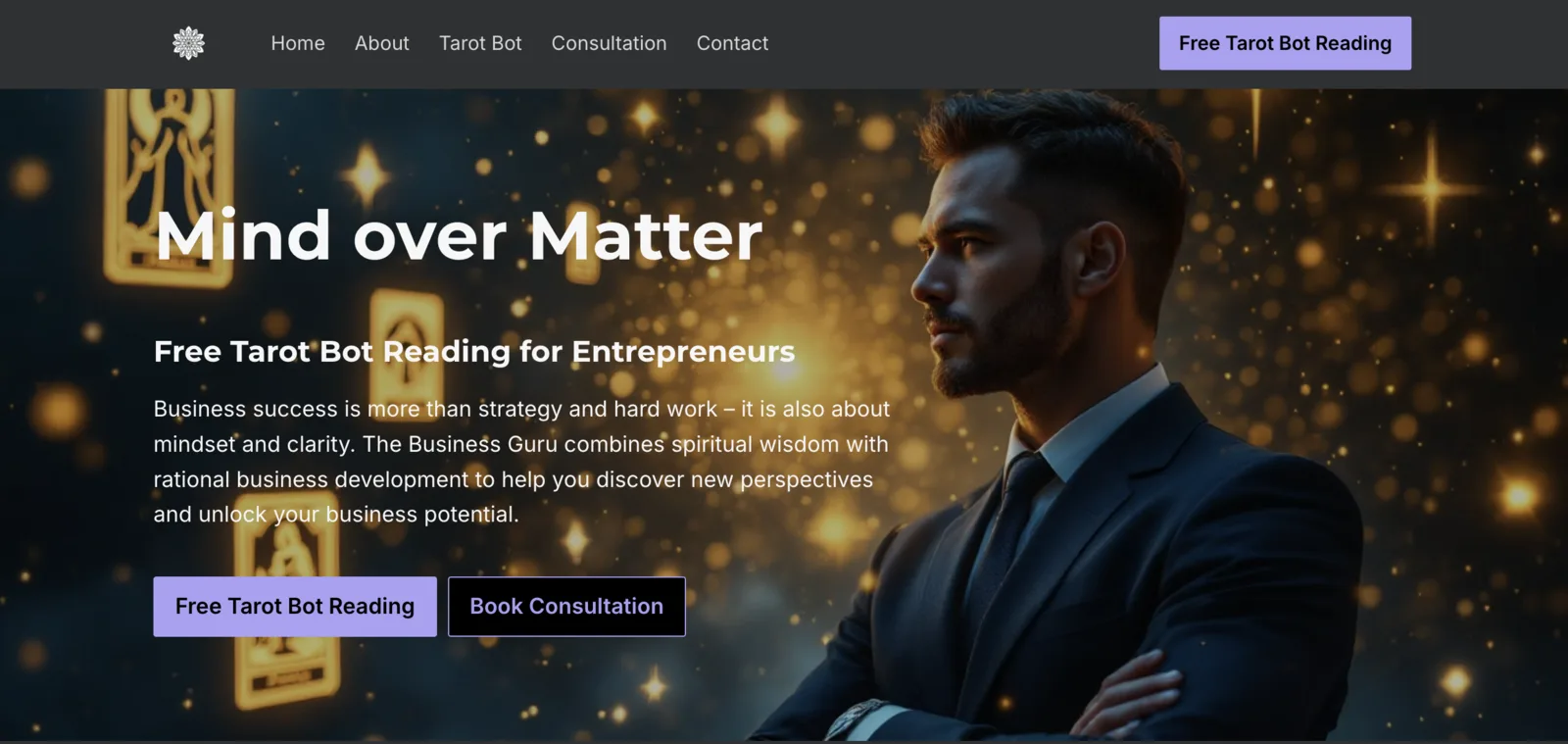
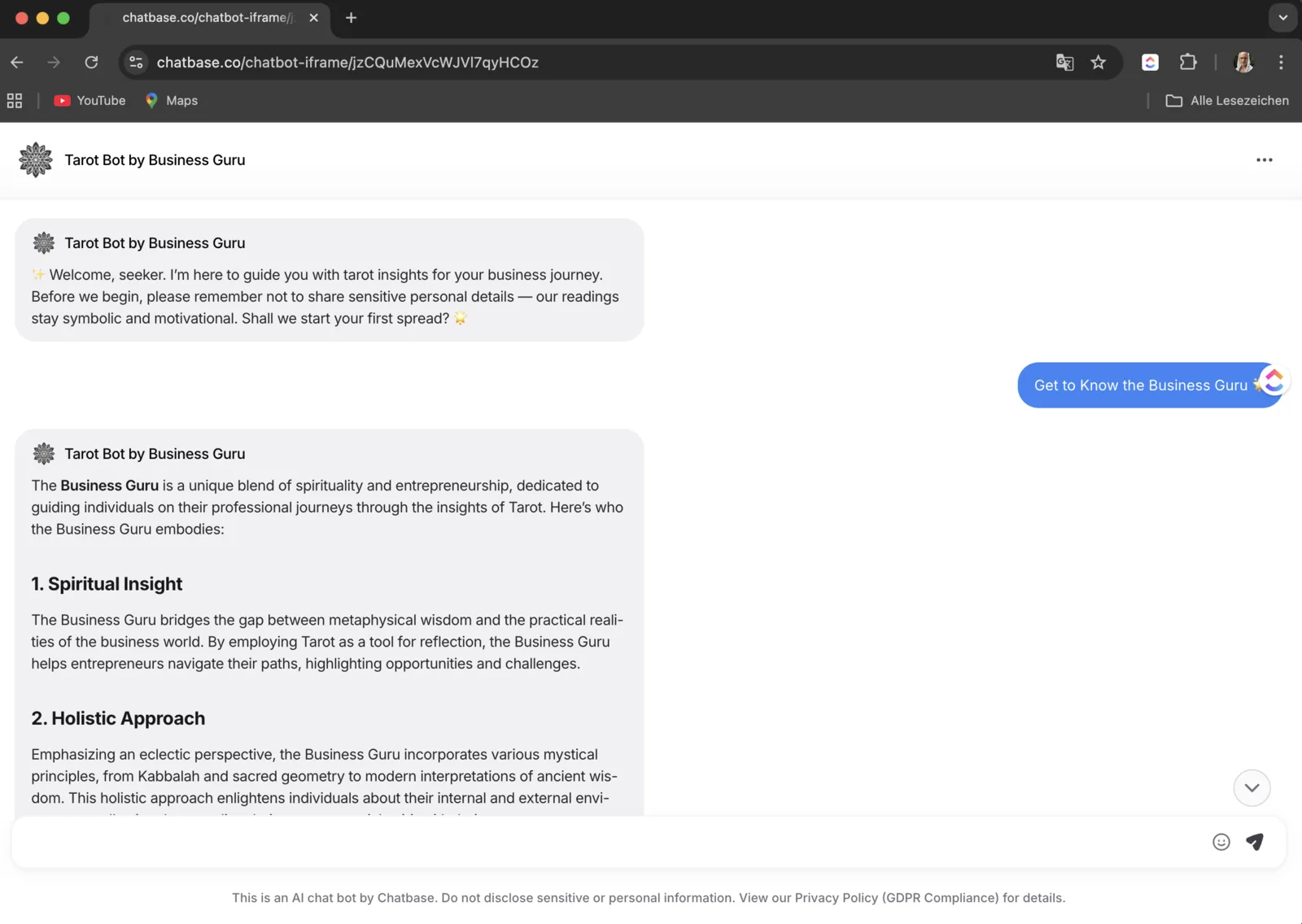
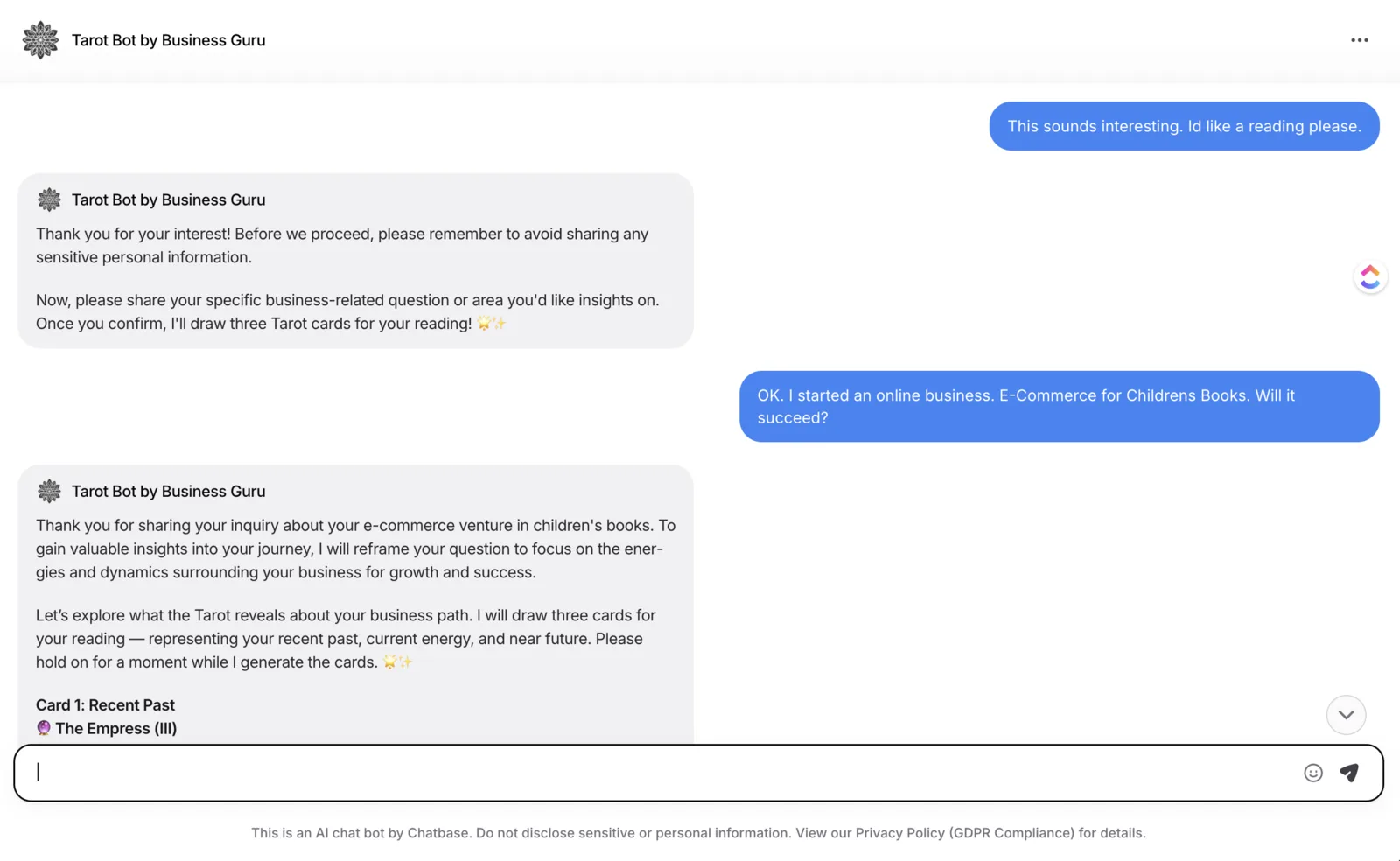
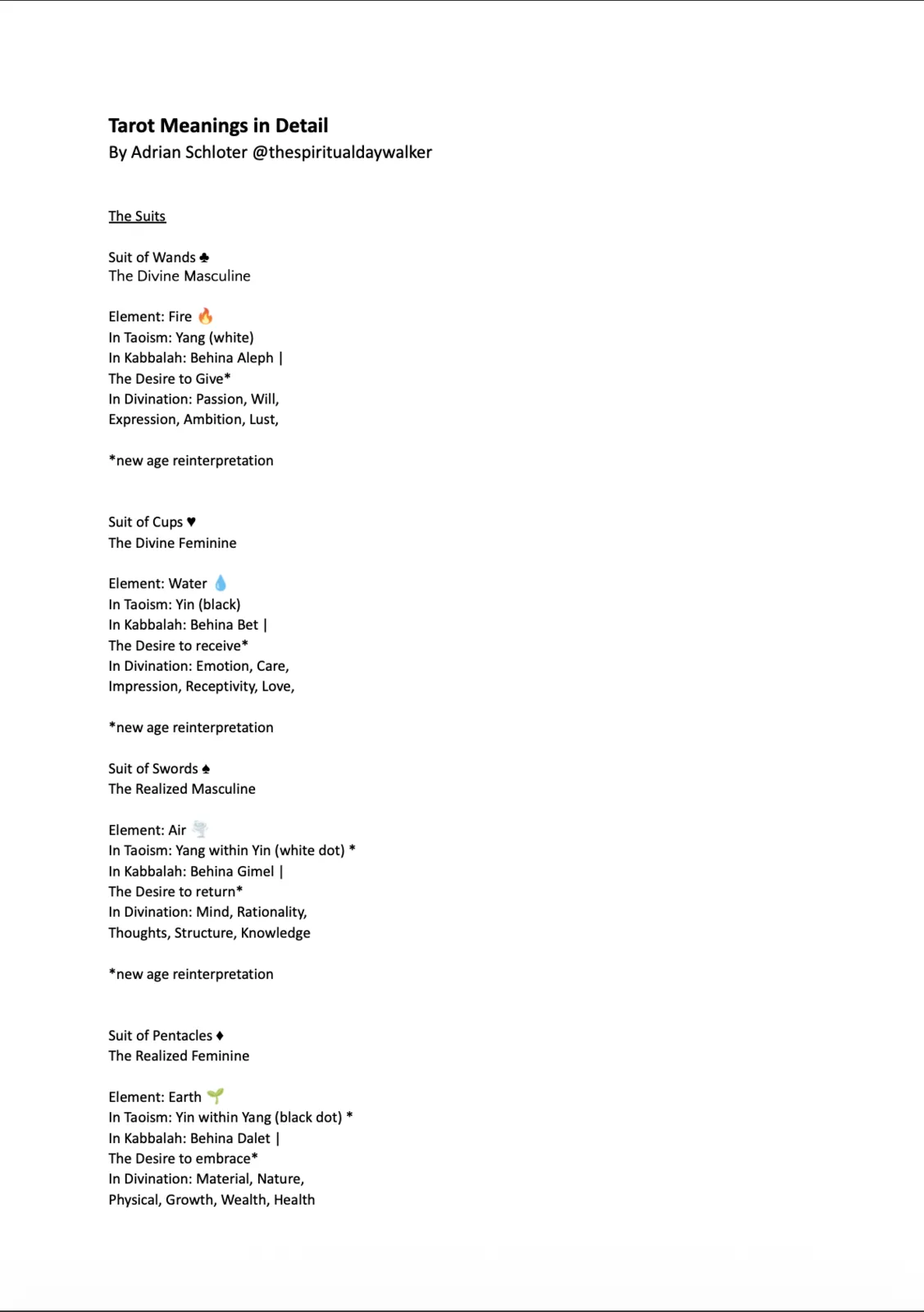
The visible prototype used tarot archetypes as an interface for business reflection.
But tarot was not the case.
Tarot was the interface.
The insight
Complex knowledge does not become useful by storing more information.
It becomes useful when relationships are structured well enough for the right meaning to emerge in context.
Archetypes are unusually powerful semantic containers.
They connect recurring human patterns across:
- Motivation
- Conflict
- Transformation
- Decision-making
- Risk
- Identity
- Narrative
- Behavior
- Perception
A single symbol can activate a network of relationships.
That makes archetypes interesting not only culturally or psychologically, but architecturally.
The intervention
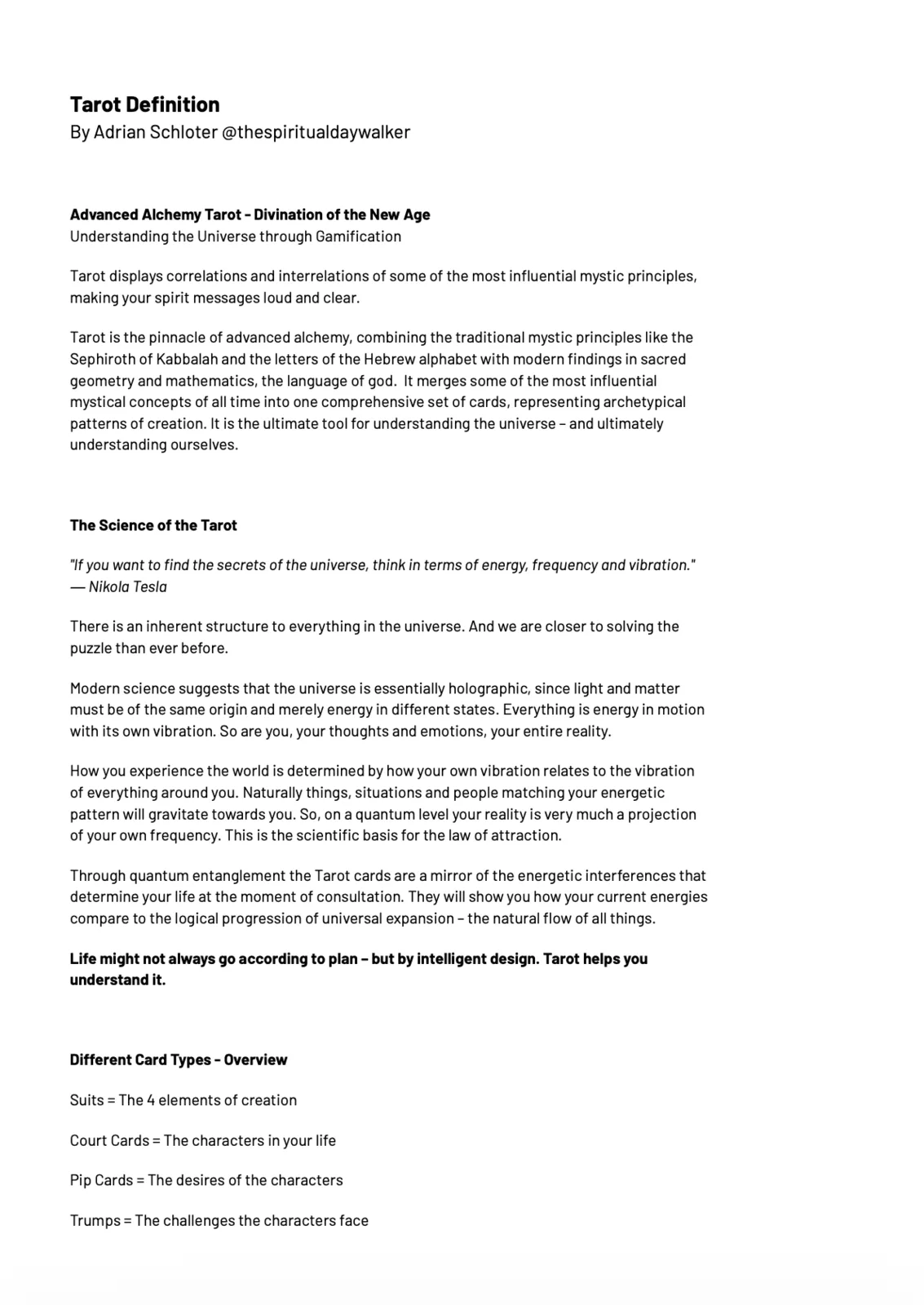
I developed a compact interdisciplinary knowledge structure that translated complex symbolic relationships into a system suitable for LLM interaction.
Instead of treating knowledge as a large pile of isolated facts, the architecture used semantic nodes and relationships.
The goal:
Enable the model to generate reflection through context rather than merely retrieve predefined answers.
The interface
The tarot structure provided the interaction layer.
Users could engage with a familiar archetypal system while the underlying architecture connected patterns across business, psychology, narrative and human behavior.
The interface was symbolic.
The system underneath was semantic.
The deeper question
How much meaning can a small number of precise semantic nodes carry?
This question now extends far beyond the original prototype.
It touches knowledge management, retrieval, semantic systems, prompt architecture and adaptive learning.
Machines can generate answers.
Meaning needs architecture.